About Dupaja
A Manchester painting and plastering firm that started with one van and a small list of streets it could reach on foot.
Dupaja was set up in 2013 by a plasterer who had spent the previous years working for larger contractors around Manchester, mostly on new-build estates where the pace left little room for finishing details properly. The idea was straightforward: take on fewer jobs at once, do the prep work without cutting corners, and stay close enough to home that a follow-up visit never meant a half-day drive. Thirteen years later that principle has not changed, even though the company now has a workshop, a small fleet of vehicles, and a team of thirteen tradespeople instead of one.
The company still works across three areas of Manchester and its immediate surroundings. That boundary was set early on and has stayed fixed on purpose. Rather than expanding outward, the growth went into the range of services offered — from single-room repaints to full plastering of period ceilings — which now stands at ten distinct services covering both interior and exterior work.
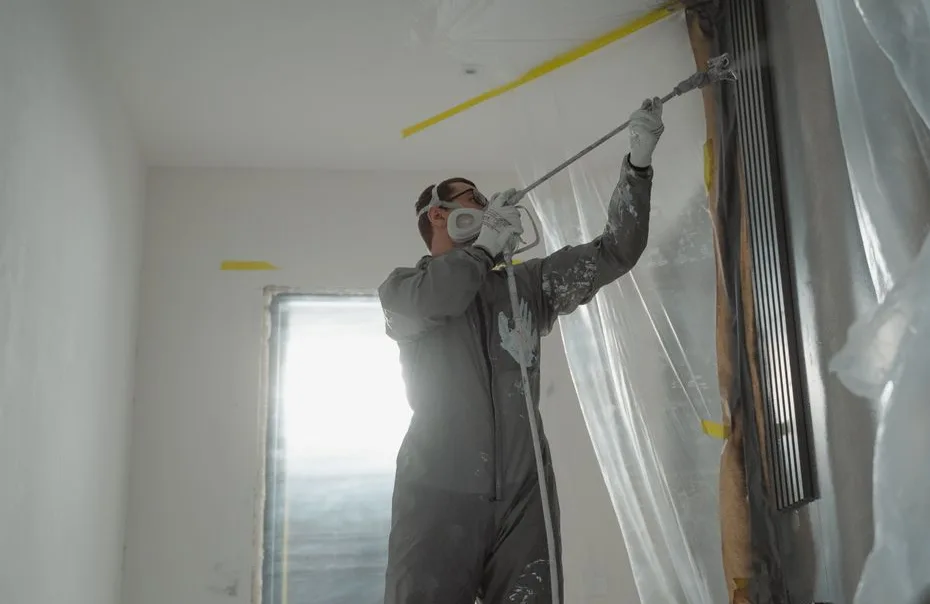
Part of the Dupaja team during a plastering job in a Manchester terrace house.
Mission
The mission at Dupaja is fairly plain: finish surfaces so they last, and be honest about what a wall or ceiling actually needs before quoting for it. That sounds obvious, but it rules out a lot of shortcuts — skipping a mist coat to save an hour, skim-coating over a crack instead of raking it out first, painting over damp patches instead of flagging them. Over 2,417 completed jobs, that approach has meant some quotes come in higher than a rival's because extra prep is included from the start, not added later as a surprise.
The longer-term aim is less about size and more about consistency: keeping response times short, keeping the same core team on repeat jobs where possible, and not taking on more work in a week than thirteen people can properly manage without rushing.
How a job is organised
- Enquiry and reply. Most requests get a response within about three hours during working hours, either by phone or email, with a rough idea of timing and cost.
- Site visit. For plastering work especially, someone comes to look at the surface in person — photos rarely show hairline cracks or damp staining accurately enough to quote from.
- Written quote. A breakdown is given covering materials, labour days, and any repair work needed before painting or skimming can start.
- Preparation. Furniture is covered, surfaces are sanded or hacked off as needed, and any structural issues are flagged before proceeding.
- Application. Plaster is applied in the correct number of coats and left to cure properly; paint is applied with the drying times the product actually requires, not a compressed schedule.
- Final check and clean-up. The client walks the space with the tradesperson before the job is marked complete.
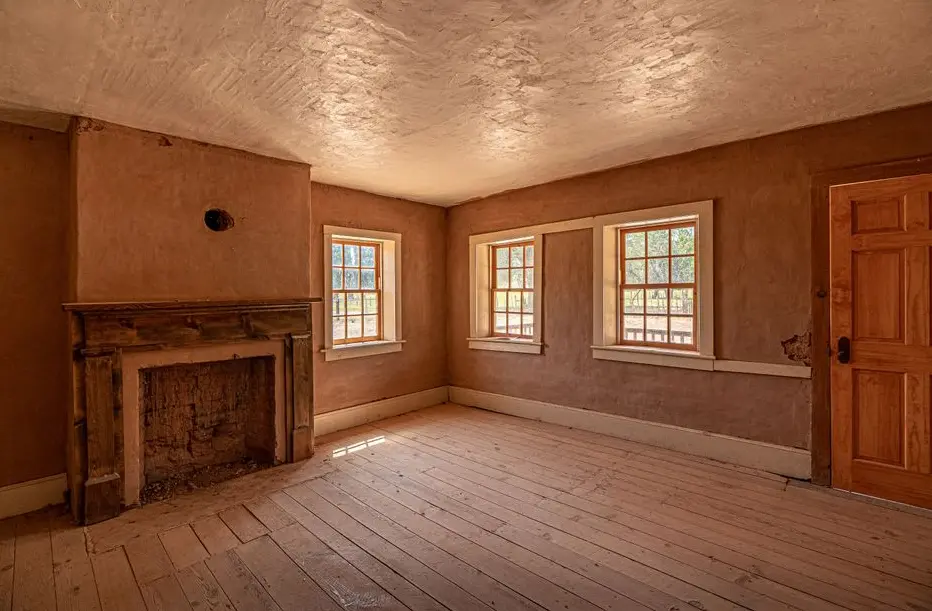
Finishing coat being applied on an interior repaint near Wilmslow Road.
What the company values
- Straight answers on timing and price, even when the answer is "this will take longer than expected."
- Proper drying and curing times, even if that means a job runs a day longer than a client hoped.
- Keeping the team small enough that the same faces turn up for a second job — 424 clients so far have called Dupaja back for further work.
- Staying within the three areas the company knows well, rather than spreading thin across a wider patch of the city.
Experience in numbers
Since 2013, Dupaja has worked with 1,859 clients across Manchester, averaging roughly 143 new clients a year. That is a modest pace by design — it leaves room to fit in return visits for clients who need a second room done, or come back a few years later once a first paint job has worn. The team of thirteen covers plastering, interior and exterior painting, and the smaller repair jobs that often get missed by firms only interested in large contracts.
Get in touch
Send details of the room, wall or property you need looked at, and expect a reply within a few hours.
Contact Dupaja